Sugar Land Roof Ventilation
Why Proper Roof Ventilation Matters in Sugar Land
Roof ventilation isn’t a “nice-to-have” upgrade in this region—it’s a performance system that can influence how long your roof lasts, how stable your attic environment stays, and how often you end up dealing with preventable issues like premature shingle aging, moisture problems, or heat stress.
In Sugar Land, attic temperatures can climb fast, especially on darker roofs and complex rooflines. When heat and moisture can’t escape efficiently, it puts strain on the entire roofing system—from decking and underlayment to shingles and sealants. CM Roofing Pros evaluates roof ventilation as part of the overall roofing picture, not as a bolt-on upsell. Sometimes the solution is simple. Other times it’s correcting an imbalance that’s been quietly shortening roof life for years.
If you want an expert to assess your current setup and recommend the most practical improvements, request a free roof estimate. For questions first, you can contact us or call us.
What “Good Ventilation” Actually Means
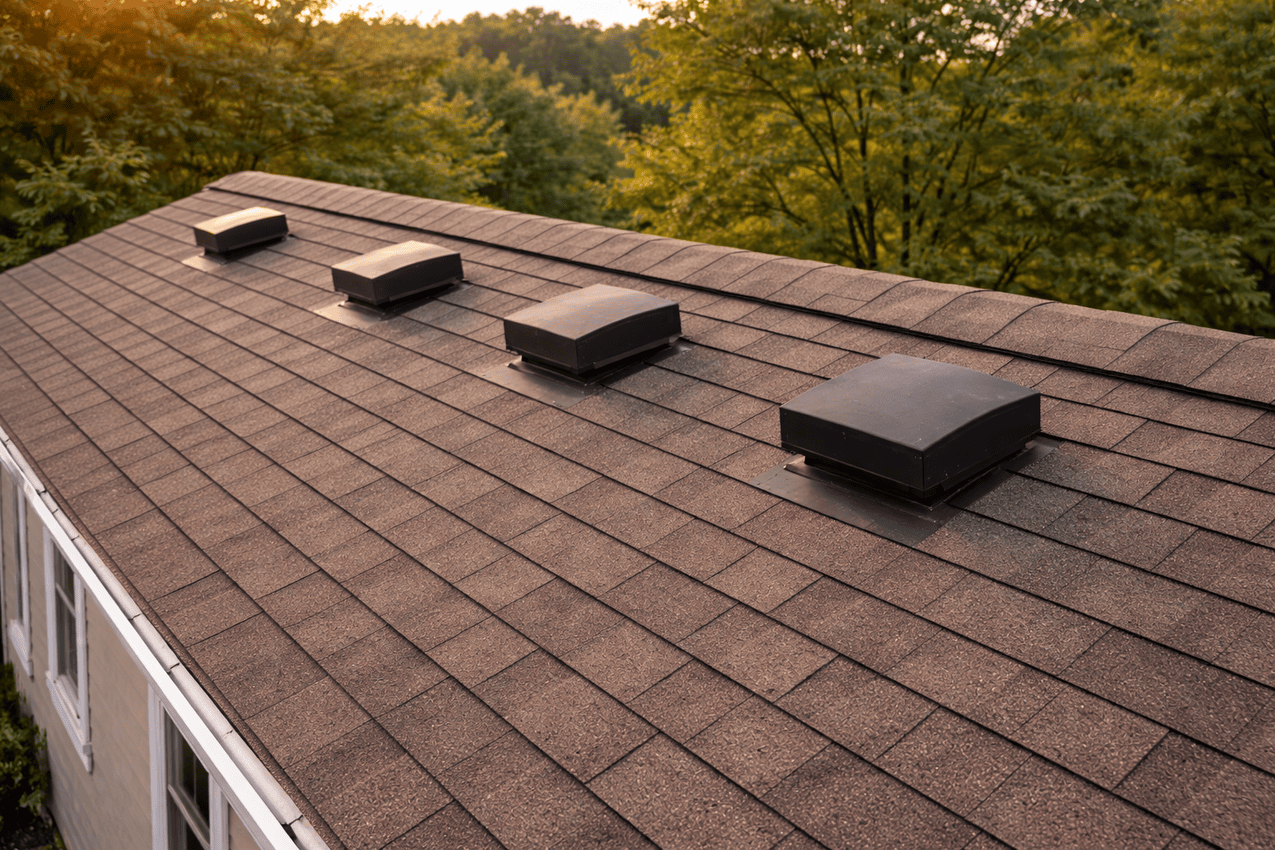
Ventilation is not just “add a fan.” A healthy attic ventilation system usually requires balanced airflow—fresh air intake low on the roofline and exhaust high on the roofline—so heat and moisture can move out consistently.
Key concepts we look for:
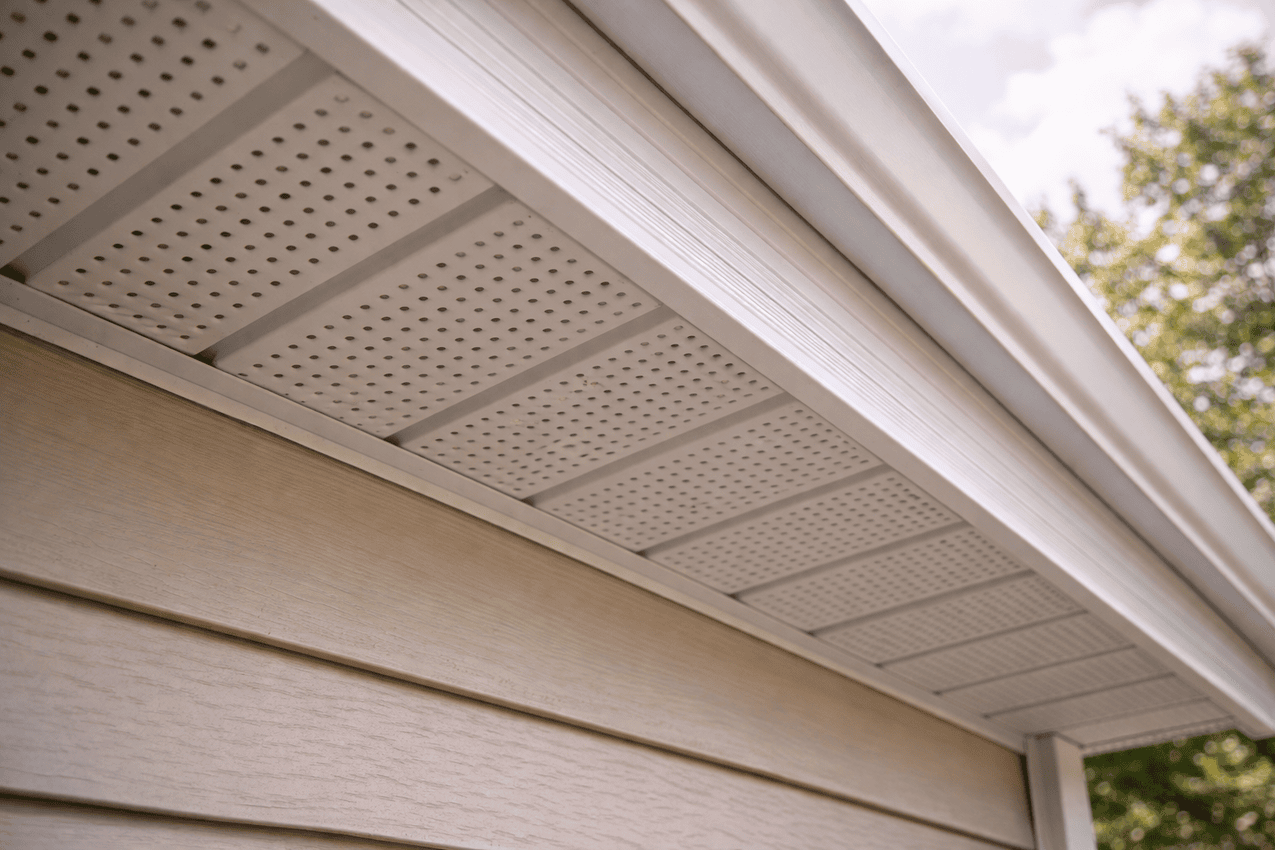
- Intake ventilation (often soffit vents): allows fresh air into the attic
- Exhaust ventilation (ridge vents, static vents, powered options): allows hot/moist air to exit
- Balance: too much exhaust without enough intake can pull air from the wrong places
- Consistency: ventilation should serve the whole attic, not just one corner
When ventilation is underperforming, it can contribute to:
- Shingles aging faster than expected (heat stress and thermal cycling)
- Sealants drying out faster at penetrations and flashings
- Elevated attic humidity (especially when intake/exhaust is poorly balanced)
- Insulation performance issues (hot attic reduces HVAC efficiency)
If your roof is already showing visible wear or repeated leaks, ventilation may be one part of a bigger fix:
Roof Inspection / Estimate
Roof Damage Repair
Common Ventilation Issues We See
Most ventilation problems fall into a few patterns:
- Not enough intake: exhaust exists, but the attic can’t draw enough fresh air
- Short-circuit airflow: intake and exhaust are too close or configured poorly, so air doesn’t move through the full attic
- Mixed exhaust types: multiple exhaust methods competing can reduce effectiveness (depends on layout—needs evaluation)
- Blocked intake: insulation, paint, debris, or poor design reduces soffit airflow
- Roofline complexity: valleys, multiple ridges, additions, and dormers can create “dead zones”
A roof ventilation improvement should be based on evidence: attic behavior, current vent layout, and roof design—not generic rules of thumb.
Sugar Land Attic Ventilation Upgrades and Solar Options
Some homes benefit from traditional passive ventilation corrections (intake + ridge). Others benefit from targeted powered support—especially if the attic runs extremely hot or the roof design makes passive flow difficult.
Ventilation upgrade paths we may recommend:
- Correcting or increasing soffit intake
- Improving ridge exhaust performance (where appropriate)
- Adding properly placed static exhaust vents when ridge isn’t viable
- Installing a powered option for specific cases
If you’re exploring solar-powered ventilation as part of the plan, review: Attic Breeze Solar Fans
We treat fan installation like any roofing penetration: it must be flashed and integrated correctly so the “upgrade” doesn’t become a leak point later.
Ventilation and Roof Replacement Planning
If you’re replacing the roof, ventilation is one of the smartest times to correct airflow because:
- access is easier during the tear-off/installation process
- you can align vents cleanly with ridge lines and roof geometry
- you avoid paying for separate roofing work later
If you’re planning a new roof installation or replacement, see: Roof Installation / Replacement
And if you’re keeping an existing roof but want to extend its life with better performance management:

Why Choose CM Roofing Pros
- Free Quotes & Second Opinions — We’ll tell you whether ventilation is truly a contributing factor or just a distraction from the real issue, and we’ll explain the “why” clearly.
- Transparent, Competitive Pricing — Ventilation recommendations are scoped and itemized so you know what’s being installed, where, and what outcome we’re aiming for.
- Insurance Guidance — If ventilation concerns are part of a storm-damage conversation, we help keep the scope clean so you don’t mix upgrade goals with claim documentation.
- Clean, Safe Job Sites — Vent installs and vent corrections are handled neatly: protection for landscaping and exterior surfaces, plus a clean finish with debris controlled.
- Local, Code-Compliant Expertise — Recommendations that fit Greater Houston realities—high attic temps, heavy rain events, and roof detailing that must hold up long-term.
- Trained Crews & Quality Control — Ventilation work creates new roof details; our installers treat flashings and penetrations as priority items, not an afterthought.
- Premium Materials, Real Options — We’ll outline passive and powered options based on your roof design and goals—not a one-size-fits-all “add a fan” approach.
- Roof Restoration Specialists — Metal / Monolothic / Seamless Systems are Affordable Options. When restoration is the plan, ventilation can still matter—because performance is a system, not a single product.
- Workmanship Warranty — If we install or modify vents, the workmanship is backed in writing, and the work is documented.
Areas We Serve Around Sugar Land
CM Roofing Pros serves Sugar Land and nearby West Houston communities, including:
- Sugar Land
- Missouri City
- Rosenberg
- Stafford
- Pearland
- Cypress
- Katy
- Houston
- Fort Bend County
FAQs: Roof Ventilation
Common signs include unusually hot attic temps, premature shingle aging, moisture odors, visible condensation issues, or recurring heat-related comfort problems.
It can help by reducing attic heat buildup, which can reduce the load on HVAC—especially in warmer months—though results vary by insulation and home design.
Not always. The best solution depends on intake/exhaust balance and roof geometry. In some cases, passive systems perform extremely well when designed correctly.
They can if penetrations aren’t flashed correctly. Vent installation should be treated like any roofing detail—proper integration matters.
Often, yes. Replacement is an ideal time to correct airflow because access is easier and the vent layout can be optimized during installation.
Soffits are typically intake (air in); ridge vents are exhaust (air out). Good performance usually comes from balanced intake + exhaust.
They can be effective in the right setup, especially when paired with adequate intake. See Attic Breeze Solar Fans
Request a free roof estimate and mention “ventilation” in the message, or reach us.